For centuries, Mary Magdalene was painted as a repentant prostitute-a label that stuck like ink on parchment. But the Bible never says that. Not once. The idea came from a sermon by Pope Gregory I in 591 AD, where he merged the stories of three different women: the unnamed sinner who washed Jesus’ feet, the woman caught in adultery, and Mary Magdalene herself. That mistake became dogma. And it erased who she really was: a leader, a witness, and one of the most important figures in early Christianity.
Today, you might stumble across ads for erotic massage dubai, where the word ‘erotic’ is used to sell fantasy. But history’s real eroticism-its raw, human, unfiltered truth-is buried under layers of misinterpretation. Mary Magdalene wasn’t defined by her sexuality. She was defined by her courage. She stood at the cross when the men fled. She was the first to see the risen Christ. And she was the first to preach it.
Who Was Mary Magdalene, Really?
Mary Magdalene came from Magdala, a small fishing town on the Sea of Galilee. Her name means ‘Mary from Magdala’-not ‘Mary the sinner.’ She followed Jesus during his ministry, along with other women who funded his work. Luke 8:2 says Jesus cast seven demons out of her. That line is often twisted to imply moral failure, but in first-century Jewish thought, ‘demons’ could mean physical illness, mental distress, or social marginalization. She was likely healed of something that made her an outcast. That’s why she followed him-not out of guilt, but out of gratitude and conviction.
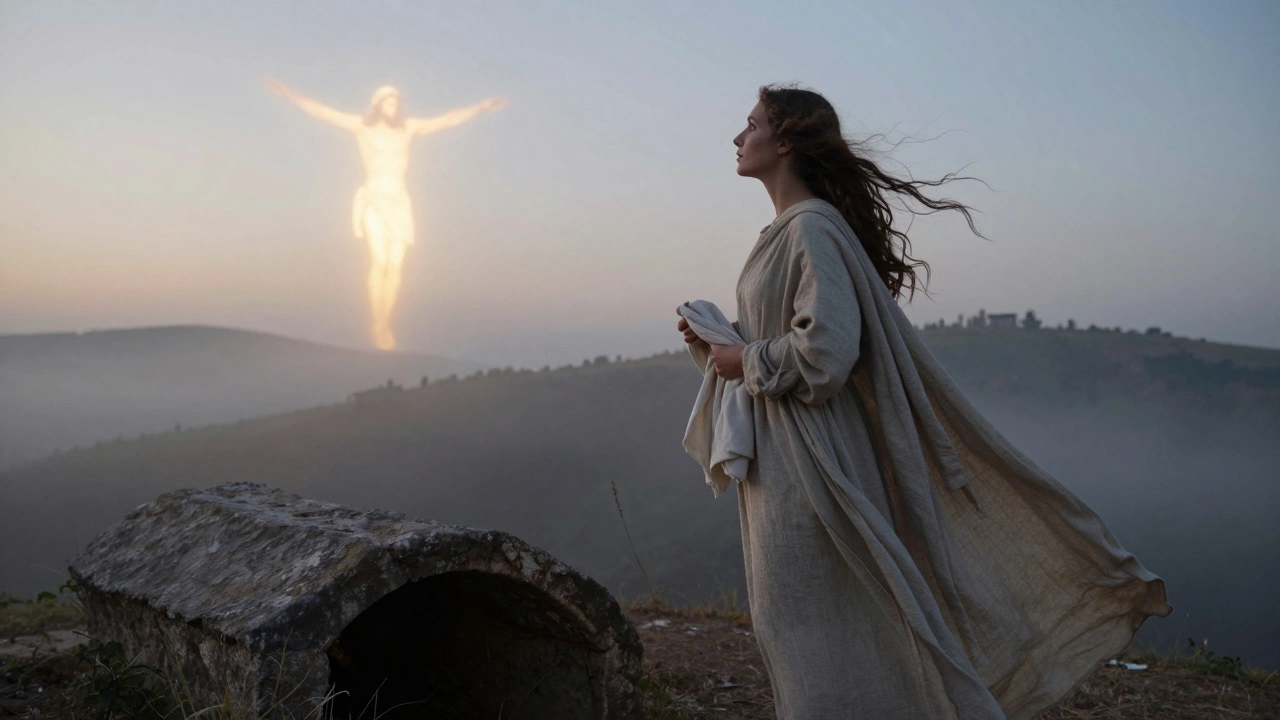
She was present at the crucifixion when Peter and the others had run away. She watched Jesus die. She saw where he was buried. And on the third day, she went back to the tomb-not to anoint a corpse, but because she believed he was still alive. That’s why she was the first to encounter the risen Christ. John’s Gospel says Jesus called her by name. She turned and recognized him. He told her to go tell the others. She did. She became the Apostle to the Apostles.
The Church’s Rewriting of Her Story
By the time the Church became institutionalized in the 4th and 5th centuries, women in leadership roles were being pushed out. The Gnostic gospels-texts like the Gospel of Philip and the Gospel of Mary-showed Mary as a close confidante of Jesus, even the one who understood his teachings best. But these texts were labeled heretical. The Church needed a narrative that kept women in submission. So Mary Magdalene became a symbol of repentance, not revelation.
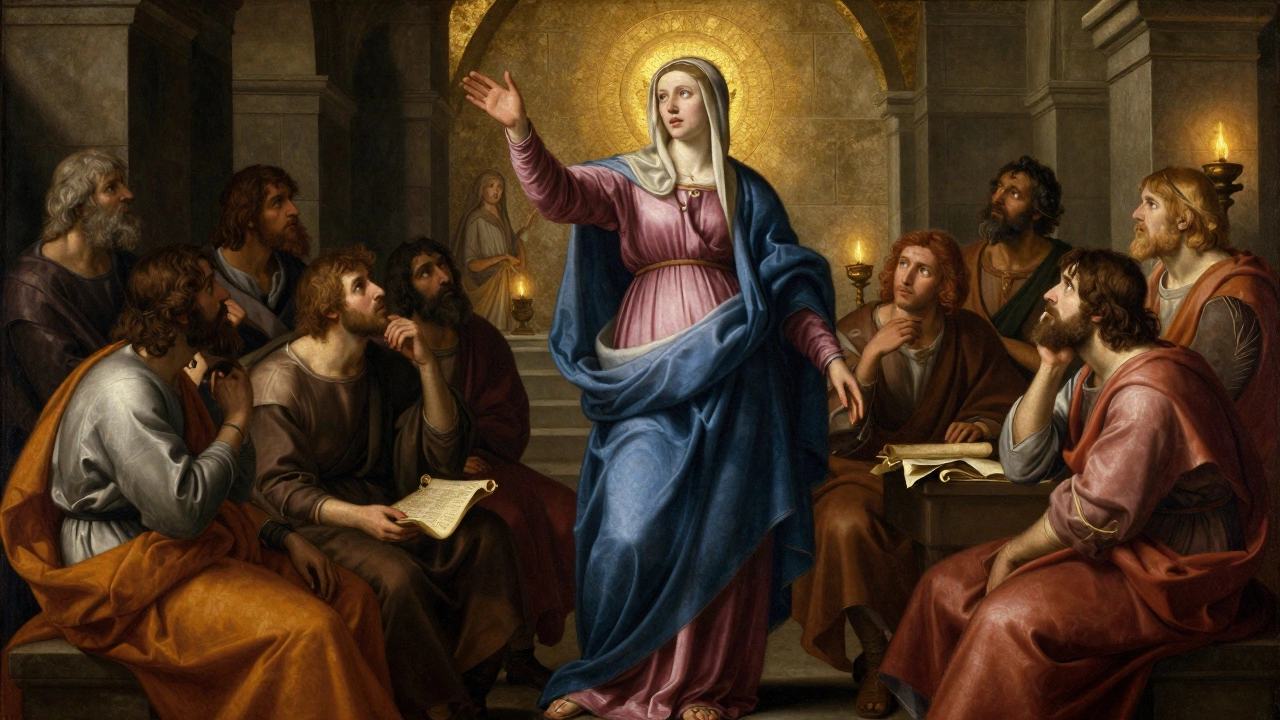
Artists painted her with long flowing hair, half-naked, weeping in caves. She was turned into a cautionary tale: ‘Don’t be like her-unless you repent.’ But the real Mary wasn’t ashamed. She was bold. She didn’t wait for permission to speak. She didn’t shrink when the men doubted her. She spoke the truth, even when no one wanted to hear it.
Why Does This Matter Today?
When we reduce a powerful woman to her supposed sins, we silence every woman who dares to lead, to speak, to exist outside the lines drawn by men. Mary Magdalene’s story isn’t about sex. It’s about authority. It’s about who gets to tell the truth. The same way modern culture sells ‘body to body massage’ as something sensual and transactional, ancient culture turned Mary into a sexualized object to control her legacy.
She wasn’t a fallen woman. She was a risen woman. And her testimony changed everything.
The Legacy That Was Buried
In the 1970s, archaeologists found a Coptic manuscript in Egypt-the Gospel of Mary. It was written in the 2nd century. In it, Peter asks Mary, ‘Did he really speak with a woman privately, without our knowledge?’ Mary answers, ‘Why are you doubting? He knew you better than you know yourselves.’
That’s the real Mary Magdalene. Not the painted sinner in Renaissance art. Not the silent figure in stained glass. But the woman who challenged the men who claimed to know God better than she did. She didn’t need their approval. She didn’t need their permission. She just spoke.
Even today, some churches still refuse to honor her as an apostle. But scholars-from Yale to the Vatican’s own biblical institute-agree: the prostitute myth is fiction. The historical Mary Magdalene was a teacher. A leader. A witness. A founder.
What We Lose When We Misremember Her
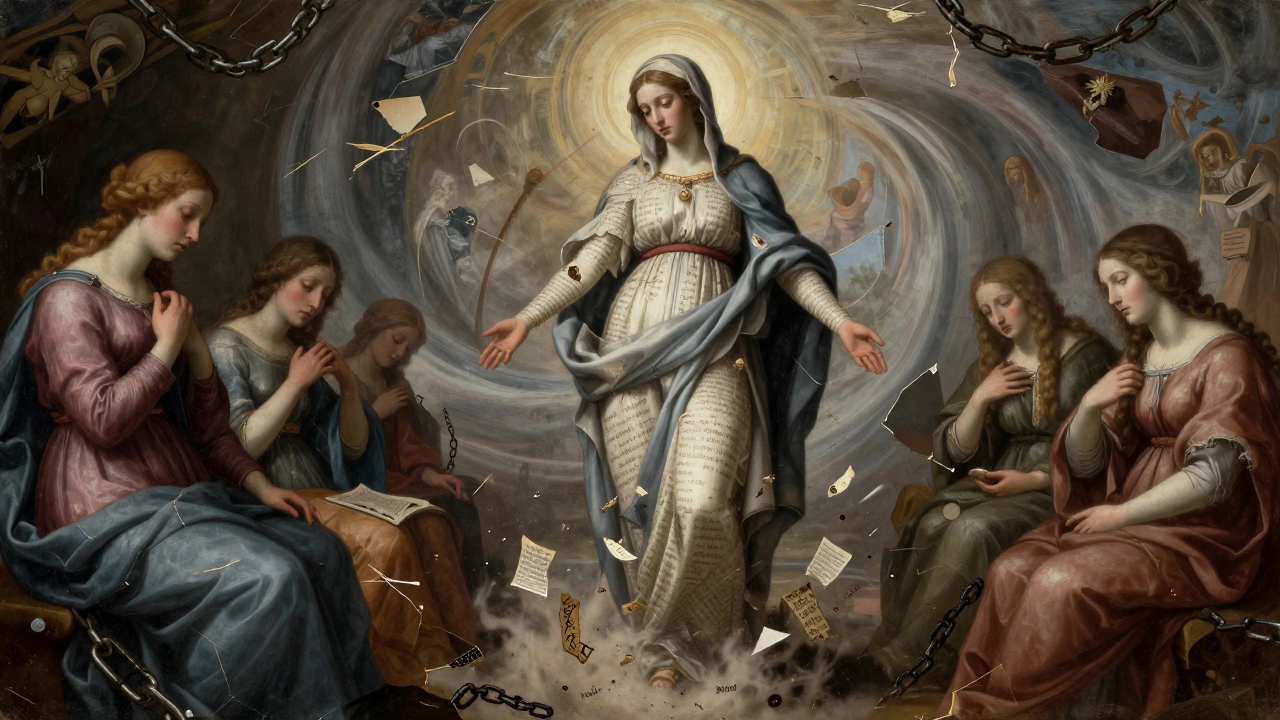
When we keep calling Mary Magdalene a whore, we tell every woman that her worth is tied to her purity. We tell girls that if they’ve been hurt, they’re damaged goods. We tell survivors that their voice is unclean. We tell leaders that authority belongs to men alone.
But Mary’s story says otherwise. She didn’t need to be cleaned up to be holy. She didn’t need to apologize to be heard. She didn’t need to be forgiven to be faithful.
And if you’re looking for a model of spiritual courage, look no further than her. Not the myth. Not the painting. Not the sermon. The woman who walked to the tomb before dawn, saw the empty grave, and ran to tell the world.
That’s the Mary Magdalene who matters.
It’s no coincidence that modern wellness spas now offer erotic massage as a service-blurring the lines between healing and desire. But true healing doesn’t come from physical touch alone. It comes from truth. From seeing people as they are, not as we’ve been taught to see them. Mary Magdalene didn’t need to be saved from her body. She needed to be seen for her soul.
Final Thoughts: Reclaiming the Truth
There’s no evidence Mary Magdalene was a prostitute. None. Not in the Gospels. Not in early Christian writings. Not in historical records. The label was invented. And it lasted because it served a purpose: to keep women quiet.
Now, we have the chance to undo that. Not with anger, but with clarity. Not with protest, but with truth. Mary Magdalene was not a fallen woman. She was the first witness of resurrection. And that changes everything.
Maybe the real erotic massage isn’t about skin on skin. Maybe it’s about soul on soul. About seeing someone fully. Naming them. Believing them. That’s what Jesus did. And that’s what Mary did-for him, and for us.